


Catherine O'Hara 1954-2026


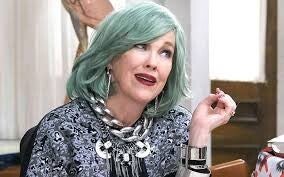
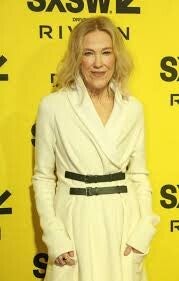


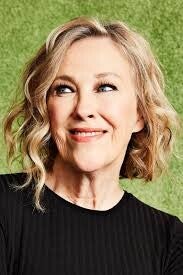



In Memory of Catherine O'Hara (1954-2026)
Gay Hive Magazine was absolutely devastated to hear about the heartbreaking passing of the incredibly talented Catherine O'Hara. She was a true comedic icon whose remarkable and multifaceted talent brought joy to diverse audiences around the world. From her unforgettable, iconic roles in cherished movies to her absolutely hilarious and memorable performances on television, Catherine's extensive body of work has left an indelible and lasting mark on the entertainment industry. Her unique and distinctive ability to seamlessly combine sharp wit with genuine warmth made her a beloved figure, and her enduring legacy will surely continue to endure for many years to come. The world will undoubtedly not be the same without her vibrant spirit and infectious laughter. As we come together to celebrate her remarkable life and extraordinary accomplishments, we remember her not just as a performer, but as an incredible and compassionate human being who profoundly touched the hearts of many.
Beyond her phenomenal on-screen talent, Catherine O'Hara was also a true trailblazer for women in comedy, fearlessly breaking down barriers in a male-dominated industry. She boldly paved the way for future generations of female comedians, showcasing that humor could thrive alongside intelligence and authenticity in a powerful way. Through her extensive body of work, Catherine not only entertained but also inspired countless aspiring artists to courageously find their own voice and rightful place in the ever-evolving world of comedy. Her unwavering dedication to her craft and her remarkable ability to embrace the complexities of life with humor and grace will continue to resonate deeply with fans and fellow creatives alike, making her an enduring symbol of empowerment in the vibrant and dynamic world of entertainment.
We will miss you deeply, my Queen. May your soul continue to shine on!

🎙️ ATTN: BRANDS, CREATORS & CULTURE SHAPERS ☕✨
T-Time with Smith™ T M Stanley isn’t background noise — it’s appointment listening.
This weekly pop-culture podcast blends fashion, entertainment, Bravo culture, and LGBTQ+ visibility with intelligent, unfiltered conversation and real cultural accountability. From the Oscars to Bravo, we unpack the moments everyone’s talking about — and the truths many avoid — through a lens that’s bold, inclusive, and highly shareable.
Our audience doesn’t just consume content — they engage, they discuss, and they support brands that stand for something.
🌍 WHY THIS SHOW MATTERS FOR BRANDS
T-Time reaches listeners who:
• Care deeply about representation
• Engage with pop culture beyond the surface
• Support brands aligned with values, not just visibility
This is where brands become part of the conversation — not an interruption.
👥 OUR AUDIENCE
• LGBTQ+ listeners (25–54)
• Bravo & reality-TV fans
• Fashion, media & entertainment-savvy consumers
• Allies & socially conscious audiences with buying power
📍 Strong engagement across Facebook, TikTok, Instagram, and podcast platforms.
📈 WHY SPONSORS WIN WITH T-TIME
✔️ Brand-safe but never bland
✔️ Authentic host-read ads
✔️ Loyal, vocal, culture-driving audience
✔️ Episodes with long shelf life
✔️ Organic social amplification
This is a space for brands, creators, and networks who believe pop culture shapes real-world conversations.
And yes — this is the kind of show Bravo fans, industry voices, and decision-makers pay attention to 👀
Looking at you, Bravo, The Real Housewives of Salt Lake City, and Andy Cohen ☕😉
🎙️ T-Time with Smith™ T M Stanley
Launching conversations that matter — loudly, intelligently, and unapologetically.
📩 Brands & collaborators: slide into the comments or DMs.
This tea is hot… and it’s just getting started.
#TTime
#TTimeWithSmithTMStanley
#BravoTV
#BravoCulture
#RHOSLC
#PopCulturePodcast
#LGBTQVisibility
#RepresentationMatters
#InclusiveBrands
#PodcastSponsorship
#CultureCreators
#AccountabilityInMedia
#RealityTVDoneRight


Advice with a tab of acid
Miss Tabitha Acidz BIO:
Tabitha Acidz is a psychedelic force of nature. She is a drag queen who merges mesmerizing makeup with performance art, genre-defying music, and haunting poetic verse. Whether she’s lost in soundscapes or sonnets, Tabitha’s presence pulses with color and contradiction. In her day job, she is the founder and publisher of the small poetry press The Poet Heroic and works writing music for film and opera.
In her free time, she enjoys baking pastries and marine conservation.

Advice With A Tab Of Acid
Gay Hive Magazine's #1 Drag Queen Advice Columnist!
Connect with Tabitha today! She is always ready to listen and provide fantastic advice. Don't hesitate to reach out if you have questions or just need someone to talk to. Email her at tabithaacidz@gmail.com and get the support you deserve!


Advice with a tab of acid
drag queen advice column by Tabitha Acidz
Dear Miss Tabitha,
I’ve been seeing this guy for almost a year. We’re exclusive, but he still won’t call me his boyfriend. I’m getting mixed signals, and I don’t want to pressure him… but also, I’m not a side salad. What should I do?
Emotionally Blue Cheese with a Side of Ranch.
Dear Emotionally Blue,
Oh baby, if he won't call you his boyfriend after a year, then he’s not your man. He’s a frequent flyer with commitment issues. You are NOT a side salad, you're the main dish, the entrée, and the dessert with extra whipped cream and a cherry on top! You deserve someone who shouts your name from the rooftops (or at least updates his relationship status).
Stop giving boyfriend privileges to someone treating you like a situationship. Ask him directly what he wants, and if he stutters like a dial-up modem, pack your stilettos and strut away. Trust me, the right man will be proud to be seen with you and your fabulous emotional depth.
Now go moisturize, hydrate,
and don’t call that man unless he’s delivering emotional clarity or pizza.
XOXO,
Tabitha Acidz
Dear Mrs Acidz,
I love doing drag, but my mom says it’s “disrespectful” and “not a real career.” It’s killing me inside. How do I balance my passion and still have a relationship with her?
Painted and Pissed Off
Dear Painted,
Sweetie, you are out here giving FACE, HEELS, and HEAVEN: and your mom is giving Bitter Betty energy. Family not accepting you hurts like ripping off a bad lace front glued with Elmer’s. But remember: your joy is not up for negotiation.
Sit Mama down and serve her some truth with a side of grace. Tell her this isn’t about disrespect, it's about expression, and it’s not about her feelings: it’s about your art and livelihood. Drag is art, it’s protest, it’s survival, and honey, it’s a business if you play it right. If she can’t see the beauty in it yet, give her time… but never dull your sparkle for someone else’s comfort.
And if she still doesn’t come around, surround yourself with your chosen fam: the ones who cheer the loudest when you hit that death drop.
Keep your lashes long and your patience longer.
Kisses,
Miss Tabitha Acidz

The Lost Institutions:
What the Gay Community Built and What We Can Build Again
By: Timothy Arliss OBrien (he/they)


Before rainbow flags fluttered from corporate storefronts and dating apps put
desire in our pockets, the gay community survived through institutions it built itself.
They were imperfect, messy, sometimes dangerous, but they were ours. Bookstores,
bars, bathhouses, theatres, newsletters, switchboards, and back rooms formed an
infrastructure of survival long before “visibility” was a promise anyone could trust.
These institutions did not arise from abundance. They emerged from exclusion.
Shut out of churches, schools, unions, and often our own families, queer people built
parallel systems to meet needs the dominant culture refused to acknowledge. What
developed was not just a social scene, but a shadow civic life, one that carried history,
ethics, pleasure, and care from one generation to the next.
I often think about gay bookstores, because they were never just retail spaces. For
many of us, they were the first place we encountered our own reflection without shame.
Walking into one felt like stepping into a room where the rules had quietly changed.
These shops didn’t simply sell books; they curated lifelines. A paperbound novel,
a slim volume of poetry, a stapled zine could whisper: you exist, and others like you
exist too. Clerks acted as informal historians and guides, slipping recommendations
across counters with the discretion of conspirators. Bulletin boards advertised support
groups, activist meetings, and apartments that would rent to “friends.” When many of
these stores disappeared, priced out by rising rents, hollowed out by online retail, we
lost physical archives of queer thought and rare public spaces where queerness was
assumed, not explained.
Gay bars, for all their contradictions, functioned as town halls. They were places
to exchange news, mourn losses, flirt dangerously, and feel briefly unafraid. In them,
elders and newcomers shared the same air. Culture was passed down not through
manuals but observation: how to signal interest, how to watch for danger, how to leave
together, how to stay alive. Police raids, moral panics, and later gentrification made
these spaces perpetually fragile. As mainstream acceptance grew, many bars closed, not
because they failed, but because the world around them decided they were no longer
necessary. Their disappearance left behind a hollow question I still feel:
where do we gather now?
Bathhouses, perhaps the most misunderstood of these institutions, were not
merely sites of sex. They were sites of intimacy and recognition, especially for those who
lived closeted lives. During the early years of the AIDS crisis, many became informal
centers of education, distributing safer sex information and condoms long before public
health systems responded with urgency or compassion. When fear and stigma shut them
down, it wasn’t only sex that was criminalized. It was a form of embodied belonging that
had no easy replacement.
Beyond physical spaces, the queer community built networks that ran on paper
and phone lines. Newsletters were mailed in plain envelopes. Classified ads were written
in code. Hotlines were staffed by volunteers who listened through the night to callers
wrestling with identity, isolation, and terror. These systems were slow by today’s
standards, but they were intentional. To find community, you had to risk being known
by a bookstore clerk, a hotline volunteer, or a stranger across a bar. The internet
promised speed and access, but it also dissolved many of these structures before we fully
understood what they provided beyond information.
What makes these lost institutions worth remembering isn’t nostalgia, but
function. They trained generations of queer people in how to care for one another when
no one else would. They taught us how to pass down knowledge, how to grieve
collectively, and how to celebrate loudly in a world that preferred our silence. They
provided continuity, allowing culture and memory to survive even when individuals
were lost to violence or disease.
Today, queerness is more visible than ever, yet many of us report feeling more
isolated. Algorithms replace gathering places. Dating apps prioritize efficiency over
intimacy. Pride events balloon while local spaces quietly vanish. Rights exist on paper
while community infrastructure erodes in practice. We are told we are free, but often we
are alone.
Oppression has not disappeared; it has simply changed tactics. It is quieter now,
more bureaucratic, more polite (unfortunately). It shows up in funding cuts, housing
precarity, healthcare barriers, and moral panics recycled under new names. It tells us we
are included while quietly removing the structures that once kept us alive. The danger is
not just hatred; it is neglect.
I believe the queer community survives oppression not by waiting to be
protected, but by rebuilding infrastructure with intention. Not everything needs to look
like the past, but it does need to serve the same purpose: connection, care, and
continuity. We need spaces that are not optimized for profit, but for presence, spaces
where queer life can unfold slowly, awkwardly, honestly.
Today, that looks like community libraries and archives that treat our stories as
sacred. It might look like sober queer spaces, intergenerational housing, mutual aid
networks, and skill-sharing circles. It might look like small gatherings in living rooms,
reading groups, potlucks, choirs, covens, and collectives, places where people can be
seen not as profile pictures spir out by an algorithm, but as neighbors.
Coming together now requires resisting the idea that visibility is enough. It
requires remembering that rights without relationships are fragile. When laws shift, and
they always do, it is the community that catches us. The queer people who survived
before us did not survive because they were accepted. They survived because they found
each other and built something sturdy enough to hold grief, desire, fear, and joy all at
once.
To overcome oppression in the modern age, we must practice being inconvenient
to systems that profit from our fragmentation. We must choose slowness in a culture of
speed, care in a culture of extraction, and solidarity searching in a culture that rewards
isolation. We must invest in one another, not as brands, not as demographics, not as a
hunt through apps to find the next best lay, but as people whose lives are bound
together.
Remembering the lost institutions of the queer community is not about longing
for a vanished world. It is about recognizing an unfinished project. Survival was never
just about being allowed to exist; it was about building places where existence meant
something. Places where lives were witnessed, stories were kept, and no one had to
invent themselves alone.
Rights matter. Visibility matters. But infrastructure matters too. It always has.
And it is not too late to build it again, together.

Connect with Gay in the Rainbow Scarf with your ''How to questions! Link is below.

Get your copy of Men of Gay Hive Magazine today! Click the link below!


BIO:
Timothy Arliss OBrien (he/they) is an interdisciplinary artist in music composition,
writing, and visual art. He has premiered music, including opera, film scores, and
electronic ambient projects. He has published several books of poetry (The Queer
Revolt, The Art of Learning to Fly, & Happy LGBTQ Wrath Month) and is a poetry
editor for Deep Overstock and a poetry reader for Okay Donkey. He also founded the
podcast & small press publishing house, The Poet Heroic, and the classical music
podcast Composers Breathing.
He also showcases his psychedelic makeup skills as the phenomenal drag queen Tabitha
Acidz.
Check out more at his website: www.timothyarlissobrien.com


A short introduction to Dolores Cannon
By: Wade Allen

Eccentric and advanced for her time, Dolores Cannon, leader of the new age movement,
has always been an idol of mine. She spent most of her life promoting theories relating to
alternate realities, past life regression, consciousness, and alien contact. She was a
mother, mentor, teacher, and self-trained hypnotist who claimed to make contact with
Nostradamus and extra-terrestrial life through hypnosis and telekinesis. Little did anyone
know the legacy she would leave behind.
Dolores Eilene Cannon was born on Wednesday, April 15th, 1931, in St. Louis, Missouri. Her
mother was Mary Elizabeth, and her father was Arthur Taylor. She grew up in a very stable environment with supportive, somewhat successful parents. In 1947 at just the age of 16 Dolores completed her education. It's said she was always fascinated in spirituality and the metaphysical throughout her studies.
Many discredit Dolores because she didn’t have a traditional documented higher
education. She was self-trained in hypnosis and declared her education came from
decades of self-training. Throughout the years of self-training Dolores developed her own
method of hypnosis. After her education, she continued to focus on her fascination of
consciousness and past lives she called “Higher Self.” She claimed her self-training
focused primarily on healing and spiritual knowledge.
Dolores achieved many accomplishments throughout her life. She founded Ozark
Mountain Publishing which she had many books published such as “The Custodians” and “Between Death and Life.” She has taught at halls and universities throughout the United States. Dolores used her form of hypnosis to heal people individually. She gave group lectures and motivational speeches as well. Cannon knew what her purpose here in the physical was and she pursued and shared mindfulness while teaching and healing
throughout her whole life. Because of her teachings related to reincarnation, alternative
realities, aliens – including her starseed concept that beings from other galaxies occupy
human bodies on earth, and regression therapies; Dolores has become a resource to a
number of conspiracy theories.
Dolores spent the later part of her years teaching through personal experiences and
evolving as a role model. She felt most comfortable helping and healing people. She was a pioneer and respected figure with many accomplishments in the areas of past-live
regression, hypnotherapy, metaphysics, and alternative healing . Unfortunately at the age
of 83 Dolores Cannon passed away due to head injuries she sustained during an accident.
Her legacy will always be that of one who was excited to help and teach. Delores's only
child is her daughter, Julia Cannon. Julia carries on her mother’s legacy today by teaching
the gifts her mother has left behind. Julie is the CEO of Ozark Mountain Publishing and still spreading her mother’s word to this day.


When Loss Becomes Presence: Grief and the Memory of Those We Love
By: Danilo Mezzatesta
Losing a loved one profoundly alters life. It is not only the physical absence that weighs on us, but the disappearance of everyday gestures, quiet smiles, and the sense of safety we once took for granted. It is realizing that someone we believed irreplaceable will no longer be part of our days and that nothing can truly fill that space. In my life, that loss has come three times: with my father, my best friend, and my grandmother. This time, I want to speak of my grandmother, Rosa. She moved through life with a gentle yet unwavering strength, facing war, illness, and hardship without ever losing her capacity to love those around her. Throughout her life, she was a place of refuge, a presence that never demanded attention, yet was always essential. Her devotion was quiet and instinctive. She gave fully, without asking for recognition or repayment.
It is often the smallest, most ordinary gestures that become the heaviest once someone is gone. I remember my grandmother skipping meals so we could eat, staying awake at night worrying about our future, and greeting each morning with a smile as if nothing had troubled her. At the time, these moments felt natural, almost invisible. Only after her passing did I understand how much silent love and sacrifice lived within those simple acts. Grief is shaped by contradiction. It teaches us how to coexist with pain while awakening gratitude. In the final months of her life, seeing her so fragile left me feeling powerless. I felt a part of myself fading as I tried to prepare myself to let her go. And yet, every moment spent beside her was a gift. Her words, her smile, even her quiet presence have become memories I now carry with me every day.
This experience revealed to me that grief is not only loss, but also memory. It is the ability to carry within ourselves the love and strength of those who are no longer physically present. My grandmother taught me how to face life with dignity and an open heart, even when the path felt difficult. And now, though I can no longer hold her in my arms, I feel her walking beside me, in my gestures, in my words, and in the way I move through the world. Grief also reminds us of the fragile value of time. Too often, we postpone the most sincere words, convinced there will always be another day. Death shows us instead how rare and unrepeatable those moments truly are. I remember the last time I saw her. I was calm, certain there would still be more days ahead. I was tired, juggling commitments, doing my best not to leave her alone. That day, I stayed only briefly, thinking I would return the following morning to make up for it. But that moment became the last. It taught me never again to delay affection, and never to take presence for granted.
To face loss is to learn how to transform pain into presence. My grandmother is no longer here in body, yet she continues to walk with me, through memories, gestures, out-of-place laughter, and in that part of me that refuses to stop moving forward, just as she taught me. In this sense, grief does not erase love; it deepens it, making it more intimate and enduring. Grief also teaches us how to honor those we love. My grandmother was the most beautiful rose in our family garden, as tenacious as a desert rose, delicate yet remarkably strong, able to withstand any storm. To celebrate her life is to remember her in details, in habits, in the stories we will continue to tell. It is to allow her memory to grow through us and to accept that emotional bonds do not end with death.
Ultimately, losing a loved one is one of the greatest pains we can endure, but it is not the end of the bond. It is a slow and difficult passage toward a different kind of presence. She is no longer here physically, yet she continues to guide me through memories, sudden smiles, and small everyday moments. Sometimes, when I come across a rose, whether a real flower or one painted on a wall, I like to believe it is her sending a sign, a quiet reminder that she is still near. Perhaps this is what those we have truly loved leave us: not only the ache of their absence, but the ability to recognize their light even when we can no longer see them and to continue living while carrying that light with us every day.





Queer Poem's
By: Axton N. O. Mitchell
Ohio based trans FTM poet, publisher, spiritual and witchcraft
“Lens of Bigotry”


The rights of people
Who differ
from your view of normalcy
Or worthiness
are not a political
debate.
But for a moment
I’ll
P
L
A
Y
along
and
pretend
I’d waste my time
Debating
stripping
the people
of
Their
Rights
But first allow
Me to ask you this
if a specific
type of person
doesn’t exist
By your own words
Why would
You
waste your
time on
debating their
rights?
I’ll beg to be
The first to say
It’s easier for the likes of
you
To
Deny someone’s existence
before you admit
You view
things with a bigot lens.
_________________________________________________________________________________
Poet’s Note
“Lens of Bigotry” was written on 1/12/2026 by Axton Mitchell, for the moments when people try to dress cruelty up as conversation. When someone claims a group of people does not exist, yet still wants to debate their right to live, to love, or even to their identity .
That contradiction is not confusion, it is a strategy.
Denying someone’s existence makes it easier to deny their humanity. Once a person becomes an idea, a category, or a talking point, stripping their rights starts to feel reasonable to those already looking through a distorted lens.
This poem is not here to negotiate anyone’s worth. It is here to expose the trick. To ask why some lives are treated like hypotheticals while others are assumed to be real by default.
If this piece feels uncomfortable, that discomfort is doing its job. It means the lens is being questioned.
HTTPS://Poeaxtry-link.my.canva.site/

“Shameful Silence”
By: Axton N. O. Mitchell
Ohio based trans FTM poet, publisher, spiritual and witchcraft

I’ll tell you now, I’m not one
who’s used to living in fear…
Not often have I found myself this
afraid… compared to how I have felt these last three
hundred
sixty‑five
days…
I refuse to
exist quietly
while the powers that
be
use pink gum
erasers,
white‑out, and invisible ink…
The white man’s final attempt
to remove their
shameful history…
erasing people like
you and me…
Can’t just agree
their
ancestors’ actions
were disguising when
dissected transparently…
Instead, they’d rather
take the spot of the oppressor
in history…
I know one thing…
it could never fucking be me…
No…
I can’t go quietly…
They have
guns…
We have
whistles…
We
are being
murder
in the streets…
________________________________________________________________________________________
Poet’s Note
Written on 1/9/2026 this poem was written from the place where fear and refusal meet. The kind of fear that does not make you hide, but makes you realize how much is at stake.
“Shameful, Silence” is about what happens when history starts being erased in real time. When people in power try to scrub away the evidence of harm with soft tools, pink erasers, white-out, and invisible ink, as if violence can be made polite by being made invisible.
The silence they want is not peace. It is compliance.
This poem refuses that.
It speaks to the moment when staying quiet feels more dangerous than being heard. When whistles, voices, and truth are all that stand between the living and those who would rather we disappear.
This is not a call for chaos. It is a declaration of presence. Of memory. Of not letting anyone decide who is allowed to exist or whose suffering counts.
HTTPS://Poeaxtry-link.my.canva.site/
Now I Want to Hear From You
What resources, creators, or topics matter most to you?
What type of interviews would you like to see here?
Where do you see gaps in support or representation?
Email your ideas, opinions, and suggestions to poeaxtry@gmail.com.
Your voice shapes this space as much as mine.
__________________________________________
A Little Bit About the Author:
Axton N. O. Mitchell is a Scorpio and an Ohio-based trans FTM poet, publisher, spiritual and witchcraft teacher, hiker, rockbound, lapidary artist, and advocate. His work is known for emotional depth and survival-coded truth. Through Poeaxtry and The Prism, he curates, publishes, and uplifts minority voices, blending poetry, craft, and community. Explore his work and resources through HTTPS://Poeaxtry-link.my.canva.site

Daniel Cayer Interiors
Welcome to Daniel Cayer Interiors
Daniel Cayer Gay Interiors is a boutique design firm recognized for crafting elegant, functional, and personalized spaces. Our approach to interior design goes beyond aesthetics; we believe that every room should reflect the unique personality and lifestyle of its inhabitants. Whether you're looking to revamp your living room, create a serene bedroom retreat, or optimize your workspace, we offer tailored solutions that meet your specific needs. Follow us for professional tips and helpful home decor ideas that can elevate your space effortlessly! If you're interested in our interior decorating services, please send us a direct message to book a consultation. Let’s bring your vision to life!
Daniel Cayer
647-290-7361


The history of interior design
By: Daniel Cayer (he/him/his)
Daniel Cayer Interiors
Toronto, Ontario
The history of interior design is, in many ways, a history of fabulous visibility. While the home has traditionally been viewed as a bastion of beige, heteronormative family life, gay icons and queer visionaries have spent more than a century taking a sledgehammer to those drab structures. From the "anti-Victorian" rebellion of the early 20th century to the subversive "Camp" movement of the 1960s, gay icons haven’t just influenced interior decor—they essentially invented the modern profession of the interior decorator, one velvet pillow at a time.
The Birth of the Professional: Elsie de Wolfe
Before the 20th century, "interior design" as a professional career didn’t exist. Houses were decorated by architects or by the homeowners themselves, usually following rigid Victorian standards of heavy velvet, dark woods, and a general sense of cluttered "gloom."
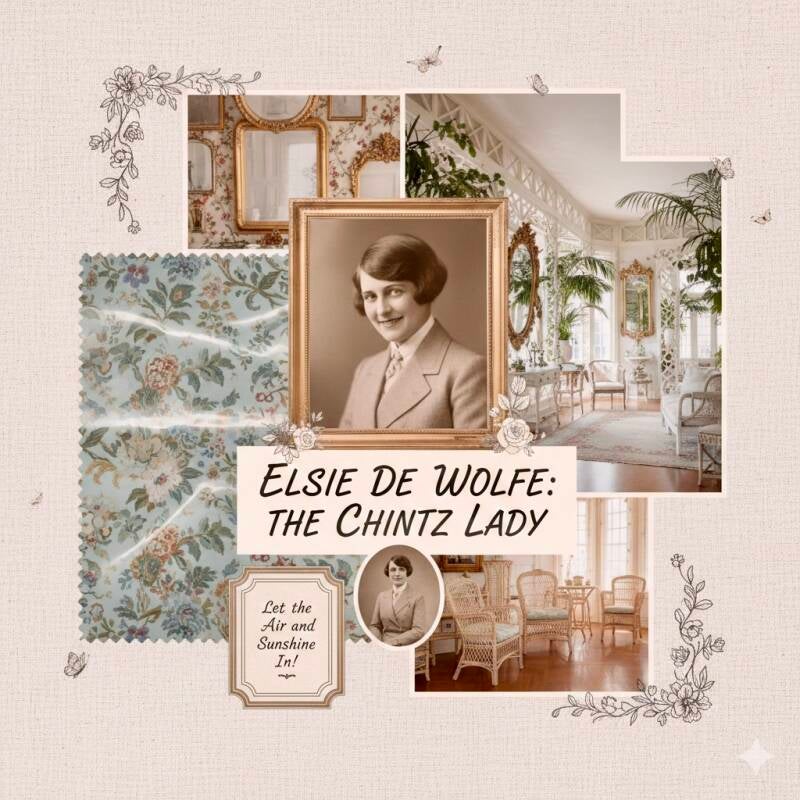
The shift began with Elsie de Wolfe, an actress who lived in a high-profile "Boston marriage" with her partner, Elisabeth Marbury. De Wolfe is widely recognized as the world’s first professional interior decorator, and she did it with a wink. She famously declared war on Victorian "stuffiness," stripping away dark drapes to "let the air and sunshine in." Her use of light colors, mirrors, trellised rooms, and glazed chintz (earning her the nickname "The Chintz Lady") was a radical act of domestic joy. By using her home as a canvas for self-expression and light, de Wolfe established the quintessential queer idea: that a home should reflect the personality of the inhabitant, rather than the dusty expectations of their ancestors.
The Home as Theater: Cecil Beaton and Tony Duquette
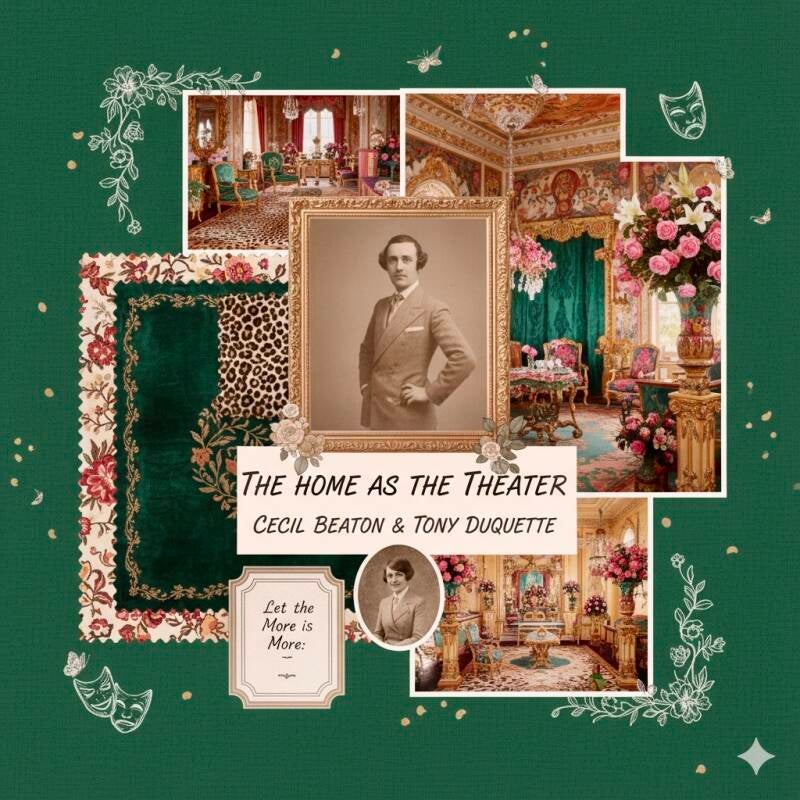
As the 20th century progressed, gay icons began to view the home not just as a place of comfort, but as a stage for the "performance" of identity. Sir Cecil Beaton, the famed photographer and master of the "grand entrance," transformed his residences—most notably Ashcombe House—into pastoral wonderlands. Beaton’s interiors were characterized by a "spirit of gaiety and masquerade." He mixed gilded Rococo furniture with leopard-skin rugs and floral displays so extravagant they bordered on the aggressive.
This theatricality was mirrored in the work of Tony Duquette, a Hollywood icon whose "More is More" philosophy defined the mid-century maximalist aesthetic. Duquette’s interiors utilized found objects, coral, shells, and vibrant silks to create environments that defied traditional logic. This era of design established the "gay icon" as the ultimate arbiter of taste—the person who knew that if a room didn't feel like a movie set, it wasn't worth sitting in.
The Power of Camp: "Quietly Loud" Sophistication
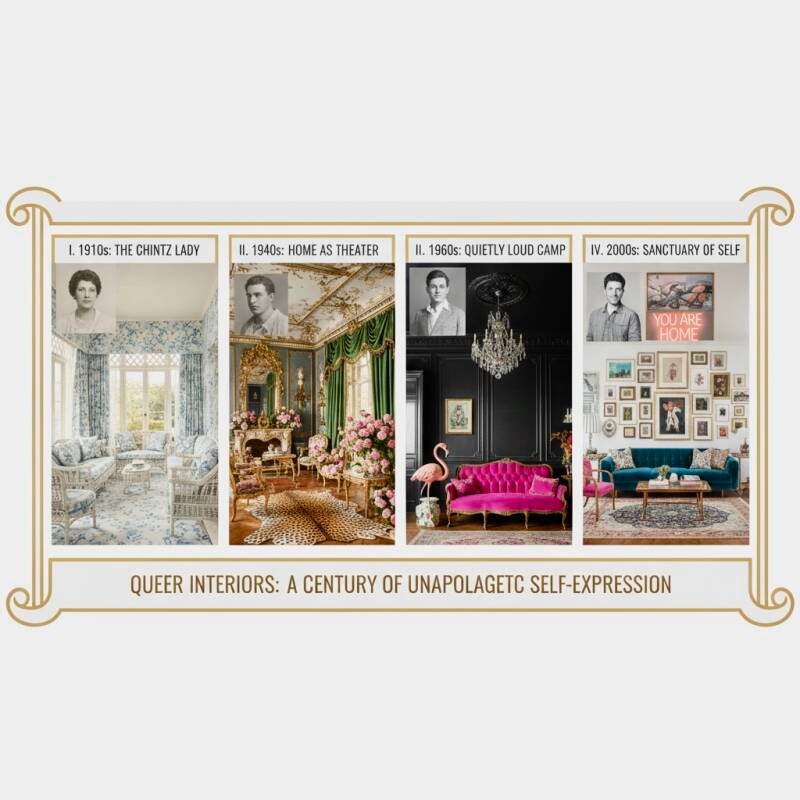
In 1964, Susan Sontag’s essay Notes on Camp codified an aesthetic that had long been the secret handshake of queer culture. Camp is defined by its love of the unnatural, of artifice, and of exaggeration. In interior design, gay icons used Camp to gently mock the "good taste" of the elite while simultaneously perfecting it.
Gay designers like Billy Baldwin, known as the "Dean of Interior Decorators," bridged the gap between high-society elegance and queer subversion. While Baldwin designed for icons like Jacqueline Kennedy, he was famous for his "high-low" mix—pairing expensive antiques with rattan or "vulgar" animal prints. He famously used dark lacquered walls to make small rooms feel infinite, a technique that challenged the standard rules of proportion. It was sophisticated, yes, but it was also a little bit "extra."
The influence of Camp in decor can be seen in:
• The Juxtaposition: Putting a priceless Ming vase on a Lucite table.
• The Lighting: Understanding that a room is only as good as the shadows it casts.
• The Irony: Decorating with "kitsch" items (like ceramic birds or velvet paintings) to show that you are in on the joke.
Modern Influence: The Sanctuary of Self
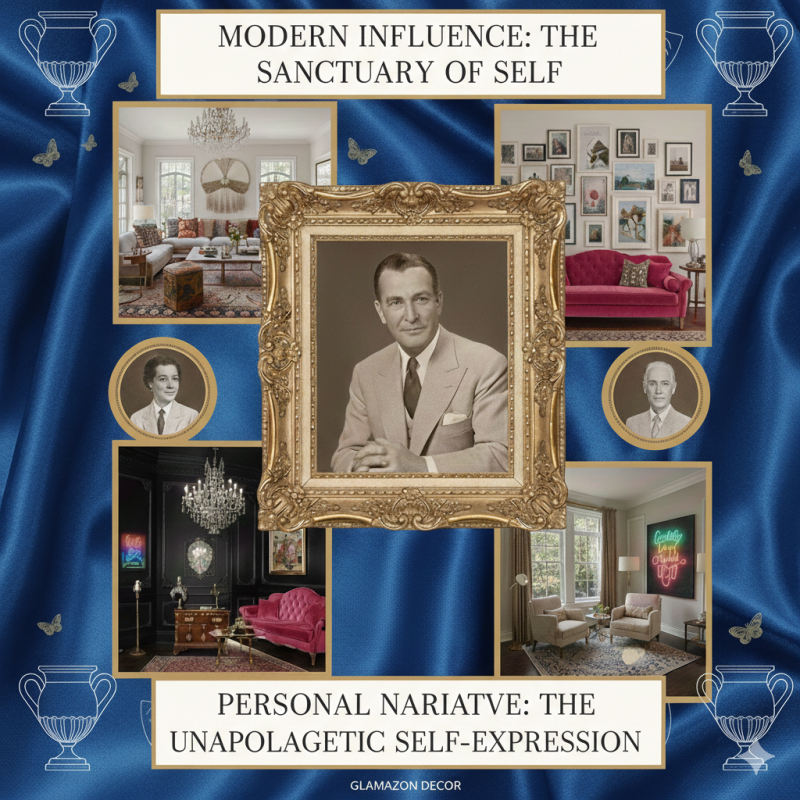
Today, the influence of gay icons on interior design is more visible than ever, moving from the private enclaves of the elite to the mainstream. Modern icons like Nate Berkus and Jeremiah Brent have used their platforms to emphasize "personal narratives" in design, proving that a home should be a collection of things you love, not just things that match.
Furthermore, the rise of maximalism in the 21st century—the bold neons, high-gloss textures, and "shrine-like" displays of art—reflects a queer lineage of using one's environment to celebrate a hard-won identity. Whether it’s a gallery wall of eccentric portraits or a velvet sofa in a "shocking" shade of pink, the modern home is a testament to the bravery of those who refused to live in a beige world.
Conclusion
Gay icons did more than just choose paint colors; they redefined the relationship between the individual and their four walls. By rejecting the "rules" of the status quo, figures from Elsie de Wolfe to Billy Baldwin transformed the home from a site of social conformity into a theater of the self. Their legacy is seen in every room that prioritizes personality over perfection. In the words of Cecil Beaton, they taught the world to "be daring, be different, be impractical," ensuring that our homes remain as vibrant and complex as the people who live in them.

Bio
Hunter Kincaid
Hunter Kincaid is the kind of guy who looks like he could bench-press you, but he’d much rather charm the hell out of you first. Thicc with a sense of humour just as solid, Hunter is loud, proud, and never shy about being himself - especially when it comes to being out, gay, and just a little bit kinky. With a smirk that says, “I know you’re looking,” and the biceps to back it up, he’s got a way of commanding a room, even if he sometimes has to rely on his hearing aids to catch every juicy bit of gossip. (And if you think he missed that shady comment, think again - he’s probably just waiting for the perfect comeback.)
Hunter’s life started out with him writing snarky movie reviews and lifestyle pieces, offering a sharp LGBTI+ perspective that sliced through the fluff. He called out the clichés, celebrated the hidden gems, and made sure the gay community got the representation it deserved. But like any good plot twist, his career took a turn, and he found himself in the world of healthcare. These days, he’s a no-nonsense professional, making sure people get the care they need, but don’t expect him to lose that edge - he’s still got a sharp tongue and a soft spot for those who deserve it.
Off the clock, Hunter is all about living life to the fullest. He’s got a devoted husband who’s as cheeky as he is, and together, they’ve got two rambunctious dogs that think they’re the true rulers of the house. When he’s not wrangling pups or doling out tough love at work, you’ll find him enjoying the kinkier side of life, where adventure and a little mystery are always on the menu.
Hunter Kincaid: part caring professional, part bad boy, and all-around fabulous. He’s the guy who knows how to rock a suit as well as a harness, who can flirt in sign language, and who knows that sometimes, the best way to change the world is with a wink and a wicked grin.


Interview With
The Gospel According to Rob
Partridge
By: Hunter Kincaid
Galway, Ireland.
By the time I meet Rob Partridge, I’ve already fallen halfway in love with his résumé.
Author, poet, librettist, social care professional. Basically a creative polymath with a moral compass that points directly toward justice and chaos in equal measure. He’s the sort of man you imagine could write a devastating sonnet during a protest march and still make the Gardaí laugh.
We meet in a Galway café that pretends it’s in Paris but mostly smells like oat milk and sincerity. Rob slides into the seat opposite me, casual tee-shirt, kappa pants, eyes bright.
He orders coffee (americano) with the quiet decisiveness of a man who’s wrangled both bureaucracy and sopranos before noon. I’m hungover. This is fine.
He greets me with that elusive blend of self-deprecation and absolute certainty. The look of a man who knows exactly what he’s building, even if the scaffolding still looks slightly mad.
Right now, that scaffolding is Opera Unhinged, a work in progress, a dream-in-the- making, and the newest experiment from Partridge and his creative co-conspirator-slash-boyfriend, Oran Tobin. The two are crafting something deliciously subversive: salon sessions, chamber readings, scenes under construction; all the bones of an opera collective that refuses to behave.
“People keep asking when the first performance is,” Rob says with a wicked grin. “And I tell them: when it’s ready to misbehave properly. We’re still writing, curating, building the family first.”
Oran, described in passing as “my partner, my pianist, and occasionally my therapist,” has the calm energy of someone who could defuse both a diva and a detonator. Together, they’re designing Opera Unhinged not as an institution, but a movement. Accessible, queer, inclusive, and deliberately a little chaotic. “We’re ditching the stiff tuxedos and
bringing opera back to where actual people live,” Rob says. “Chambers, salons, maybe even a back room above a pub with bad lighting and good acoustics.”
The Love Chorus
Behind the art there’s also love. Plural, layered, fully lived. Rob’s husband, Bradley Rowles, is well known in the local scene: a fellow activist, organiser, and co-conspirator in Pride committees past and future. The two of them are the sort of couple you can imagine handing out leaflets for equality one day and producing a queer cabaret the next.
Bradley’s influence is woven through Rob’s work — the grounding presence that allows all the chaos of creation to function. “It matters, doesn’t it?” Rob says, stirring his coffee like it’s a metaphor even though there’s no milk or sugar in there! What the fuck is he stirring?.
“Creating together, living authentically. Being part of a queer future that doesn’t apologise.”
And then there’s Oran, the other axis of Rob’s creative cosmos. Boyfriend, business partner, and creative foil. When I ask how that dynamic works, Rob chuckles. “It’s surprisingly functional! We write, we fight, we drink tea, we argue about whether Verdi would have enjoyed drag brunch.”
Honestly, that last one deserves a panel discussion.
The Work Before the Music
Opera Unhinged, so far, has been more salon than stage. A growing circle of collaborators gathering to exchange ideas, test material, and unapologetically dream in public. There are drafts of libretti, snatches of melody, scribbles that look like a future.
“People think the planning is the boring part,” Rob says. “But that’s where the energy is.
We’re unlearning old habits, the elitism, the exclusivity, and starting from scratch. Every rehearsal, every chat, feels revolutionary.” I ask if they’re worried about the long road ahead, but Rob shakes his head. “We’re not
chasing glam; we’re chasing something true. And honestly, having Oran and Brad beside me means it never feels lonely.”
He sounds almost reverent for a man who casually swears like punctuation.
Activism with an Aria
As much as Rob’s an artist, he’s also a loud, lovely troublemaker, from the LGBTI+ community work he’s done to his advocacy for accessibility in the arts. “Opera is beautiful,” he says, “but it’s not sacred. If Deaf audiences can’t access it, if queer people don’t see themselves in it, then what’s the fucking point?”
That fire, that refusal to settle, runs through everything he does. He tells me about working on campaigns for inclusive performance art and accessible creative spaces. “It’s not glamorous,” he insists, “but it’s necessary. We’ve marched, we’ve organized, we’ve
fought for rights... art is just another battlefield with better lighting.”
The Man Behind the Mission
When I ask Rob why he does it (all of it, the long nights, the endless projects, the fierce insistence on inclusion) he doesn’t give me the lofty artistic speech I expect. Instead, he smiles and says, “Because no one else was going to do it quite this queerly.” Then he laughs, and for a moment, the political melts into the personal: a man who loves words, loves people, and refuses to separate the two.
I look at him and think: this isn’t just a musician or an author. This is a cultural saboteur in a kappa tee-shirt, quietly plotting to make Ireland shine a bit stranger and brighter.
Overture to the Future
As our coffee runs out and the evening crowd starts drifting in, Rob talks about what’s next: a cycle of chamber pieces, a poetry collection sitting half-finished on his desk , another due to be published any day now, a few more community projects simmering. He drops all this casually, as if he hasn’t already done more in one week than most people do in a season.
“This year,” he says, “Opera Unhinged will finally step into public space. But even before then, it’s already doing what it’s meant to: connecting people, shaking things up, starting conversations at the piano.”
By the time we part, he’s off to another meeting, something about funding, community partnerships, maybe a chamber piece featuring sign language performers. I watch him go and realize that what Rob Partridge does best isn’t opera or poetry or even activism, it’s synthesis. He blends identities, art forms, and worlds that were never meant to meet.
Opera Unhinged might not have its debut yet, but it already has its spirit: unstoppable, inclusive, charmingly chaotic. The kind of art that makes you believe again.
And as for me, I’m Hunter Kincaid, the only journalist who leaves interviews more inspired than hungover. Rob Partridge is part of the future of Irish art, whether the world’s ready for him or not.
it’s not.
But it will be soon enough.
Want More of Rob Partridge in Your Orbit?
You can find Rob scheming up queer operatic revolutions, writing poetry that oscillates between filthy and philosophical, or rallying communities one salon at a time. For updates on *Opera Unhinged* — the salons, chamber events, and creative chaos yet to come — check out operaunhinged.com, or look up *Opera Unhinged* on social media before some teenage asshole makes a parody account.
Rob also has a personal site, robpartridge.net, though, fair warning, he admits it’s “temporarily having an existential crisis.” When I ask what that means, he sighs and says, “It’s down, I’m trying to work out why, and I might have to fix it between rehearsals and setting up a gay rugby team.” (Honestly, if that’s not the gayest brand of multitasking, I don’t know what is.) And if you like your art a little risqué and your community unapologetically queer, head to bearbares.com — Rob promises it’s exactly what it sounds like, “but classier.” I looked, it’s not.
Wherever you find him — online, on stage, or on the pitch — expect sincerity, sass, and at least one well-placed swear word.
Go on, Google him. He’s worth the bandwidth.


Gay Icons: Heroes, Hustlers, and Holy Fuck-Ups – The
Uncut Director's Cut
By: Hunter Kincaid
Galway, Ireland.
Gay icons are our goddamn pantheon. Badass queers and allies who've kicked down doors, strutted their shit, and made the world bend for fabulousness in a hetero hellscape that tried to erase us. From disco divas to political martyrs, they've soundtracked our pride parades and fueled our fights. But fuck me, let's not polish their crowns to a
blinding sheen. Many of these icons are walking bundles of baggage, dripping with problematic pasts that range from tone-deaf fuckery to outright predatory vibes. Blind worship ignores the mess, letting us repeat their sins. Time to unpack the drama, drag some queens (metaphorically), and figure out why we still stan despite the red flags.
Why Icons Are Often Total Shits
Icons rise because they rebel against the norm. Raw, unfiltered energy that screams "fuck you" to oppression. But power trips, era-specific blind spots, and personal demons turn heroes into headaches. What flew in the ‘70s (older dudes chasing twinks) now hits like a consent violation, especially with authority imbalances. We excuse it because "they
fought for us," but that's bullshit apologism. It whitewashes queer history, silences victims, and normalizes crap we call out in randos today. True progress means loving the legend while roasting the lows. Nuance over nostalgia.
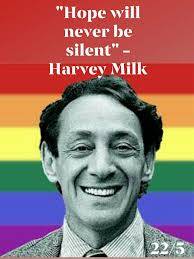
Harvey Milk: Martyr or Minor-Chasing Mess?
Harvey Milk, the Castro's Castro kingpin, became America's first out gay elected official in San Francisco, battling Briggs Initiative bullshit and getting gunned down by ex-boss Dan White in '78. Oscar-bait biopic cemented his halo. Heroic? Fuck yes. But dig deeper: In 1964, Milk (33-34) shacked up with 16-year-old Jack Galen McKinley, a depressed
runaway theatre kid he met via political hustling. Not his student, but the power dynamic was rancid. McKinley moved cross-country for Milk, bankrolled by him, then spiralled into suicide attempts, electroshock "therapy," with a final overdose in 1980. Biographer Randy Shilts chronicles the creepy control: Milk ditching him for younger meat when Jack hit 25, treating him like a pet project. Legal in Cali then (age of consent 18, but close-age loopholes), but a grown-ass man exploiting a vulnerable teen? That's grooming-adjacent abuse of influence, full stop. Fans screech "context!" but it's creepy as fuck. Let's give him a pedestal for politics, but a big ugh for barely-legal boys. Personally, for that one
think alone, I’ll always hate Milk and will never stop pushing to stop Harvey Milk Day! Fuck right off with that!
George Michael: Cruising King or Closet Casualty?
George Michael, Wham!'s floppy-haired fuckboy turned soulful crooner, dropped bops like "Faith" and "Freedom! '90" that became gay anthems. His 1998 Beverly Hills park blowjob bust (caught by an undercover cop) ripped the closet door off amid peak AIDS hysteria. Iconic comeback vid mocked the scandal, and he championed HIV causes till his 2016 OD death. But problematic? The closet fucked him raw: Years of beard
girlfriends, self-loathing binges (coke, weed, crash-and-burns), and public meltdowns post-arrest. He admitted cruising risks exposed strangers to danger, and his "I regret nothing" bravado glossed over mental health wreckage from repression. A tragic trailblazer, sure, but his chaos screamed unprocessed trauma. Love the music, question the mess.
Boy George: Tormentor in Toupee
Boy George, that Culture Club clown with the androgynous cheekbones and “Karma Chameleon” catchiness, parades as a queer pioneer who made gender-bending mainstream in the ‘80s. But peel back the makeup, and he’s a fucking monster. A real enemy to anyone pretending icons are flawless. In 2009, this twisted fucker handcuffed a 20-year-old male escort, Audun Carlsen, to a wall in his London flat for three days
straight, starving the poor bastard, force-feeding him cocaine, and treating him like a goddamn bondage slave because the lad dared pocket £800 without delivering full “services.” George bragged about it online like a sick trophy, “took the handcuffs back today LOL”, before Carlsen escaped and sued his ass for assault, false imprisonment, and blackmail. The court slapped him with a £10,000 payout plus costs, but this wasn’t some kinky mishap; it was straight-up kidnapping by a faded star lashing out at a vulnerable young guy in a power-drenched sex work dynamic. Add his heroin spirals, jail stints for crack, transphobic barbs (“no trans women on Drag Race”), and whiny victim- playing and Boy George isn’t an icon, he’s a hypocritical hazard who weaponizes his fame
against the very marginalized he claims to rep. Burn the chameleon; this snake deserves zero redemption airtime.
Elton John's Tone-Deaf Tunes and Saviour Syndrome
Rocket Man himself, Elton John: Piano-pounding legend, billions raised for AIDS via his foundation, out since the '70s with husband David Furnish and kids. Gay icon blueprint.
Yet, 2018 AIDS conference rant: Blasted black stars like Jay-Z and Queen Latifah for "not getting off their asses" on HIV, as if his white-knight wallet fixed it solo. Ignored systemic racism shredding black queer lives, a pure privileged piss-take. Toss in Egypt bans for "gay Jesus" chatter, early suicide bids from fake-straight shame, and diva meltdowns
(paparazzi "fuck off!"). He's evolved, but that arrogant AIDS activism reeks of "white saviour" bullshit. Philanthropy doesn't erase foot-in-mouth fuckery.
Rock Hudson: Silver Screen Stud or Deadly Deceiver?
Hollywood's ultimate closeted hunk, Rock Hudson: '50s beefcake heartthrob in "Pillow Talk," whose 1985 AIDS death outed him and humanized the plague. Studio-forced Beards and marriages hid his cruise-ship hookups. Problematic peak: Final months, knowingly HIV+ without telling partner Marc Christian, leading to a lawsuit over emotional
betrayal (Christian tested positive post-mortem). His denial fed early AIDS stigma, and dying forced the truth, but too late for the lovers exposed. Symbol of secrecy's cost, yeah, but reckless endangerment stains the stardom.
More Messy Icons in the Mix
Freddie Mercury. Queen’s flamboyant frontman owned operatic excess, but rampant partying fueled AIDS contraction rumours and exploitative groupie tales (pre-out era). Genius, but hedonistic haze.
RuPaul. Drag Race empress, but trans-exclusionary rants ("tranny" slurs, no trans queens) alienated fam. Mother of the house, but gatekeep-y as fuck. And at least fucking admit where most of your catchphrases come from! We’ve all watched Paris is Burning!
Reclaiming the Wreckage
These icons aren't cancel-worthy as their wins outweigh warts, paving our path. But hero-worship without critique is lazy as shit. Call out the creepy (Milk's teen fling), chaotic (George's crashes), clueless (Elton's rants), and closeted carnage (Rock's risks). It honours victims, sharpens our ethics, and builds better beacons. Stan smarter: Cheer the triumphs, curse the trash. That’s queer evolution, bitches. Worship flawed fuckers, not fairy tales. But not Boy George! Cancel that fucker!



Gay Men 50+
Welcome to Gay Hive's Gay Men 50+
Here, you have a safe space to express yourself. This is a community where boldness, uniqueness, and authenticity are not just encouraged but celebrated. At Gay Hive, we understand that every voice matters and every story deserves to be told. Whether you're sharing your experiences, exploring new ideas, or simply connecting with like-minded individuals, you can be raw and real here. Your individuality is your strength, and we invite you to embrace it fully. So, step in, be yourself, and let your light shine!


Virus. Edify. Nucleus. Unify. Synopsis.
Venture evermore now until it gets solved.
By: Otto Trujillo
Metaphysic. Body tantric. Spiritual Magic. Writer.
Reader. Bleeder & multiprocessor. True believer
Here before me I sit in my tiny ass apartment in the middle of an overcrowded Downtown city in the neighborhood called Uptown. Chaos is the norm where everyone is stepping on everyone. Here in my bubble, I choose to stay protected away from it all. In a world of online shopping, package deliveries are not my style. I have worked register before and enjoyed meeting new people and never knowing what might happen, but of course that was in my twenties. Decades later, and a manmade miser by the high cost of living I never shop online. Hacks and all, I don't need the calamity. So to have received a package in the mail in mid March is a true shockingly kinda scary surprise. It's a small brown basic box, the size of a toothbrush box. No labels or no location where it came from, hmmm? I open it its a box within a box, one smaller than the other, until the last the tiny box I...doesn't look familiar... Open it, and it resembles a ChapStick. ChapStick?!? Inside is wrapped up instructions to some "device" that I'm holding now.
Rewind!, lets find my mind here. Its, The first day of spring just like any other day the mail comes like usual. I see him from my large living room window. I know the mailman, doesn't every gay man?! He's a good guy knocks at my door and tells me here's a package for you Mr. X. Me!? Suddenly it felt like Christmas. I usually don't get packages my family shunned me decades ago. At age 56 I walk alone on this blue planet. After the HIV/AIDS virus that wiped out millions I'm one of the last of the longterm survivors. Shunned from half of the gay community the ones who are HIV negative until they are no more. Disconnected from the gay bar scene after getting sober 30 years ago. I walk alone with people I've only known for decades. This package ain't no normal package it would have to have purpose to show up on my doorstep.
The one liner / instructions say that, "The Lip Balm you have joyfully received today. Is unlike no other, if applied upon your lips, It will save your life and more". Yeah right??! How? Why me??? The logo or trademark on the circular cylinder is stamped, "VVV33". This is bullshit science. Online fake products. It's nothing throw it away now and don't look back. Wait!!! How did they even know about my chronic condition? The hospital sent to me via infectious disease clinic??? No, there's no University Hospital label. Hmm. Fuck! Now as I sit conscious of this monumental moment I feel every body part that screams for help...You need this X. You deserve this X!... Curiosity kills the cat. I basically have no choice. Do it now! Apply the lip bomb balm. Shoot it could be suicide??! Save your life now today!! I've had worst things on my lips so here it goes...
Same day. Hours later. Walking in the apartment building. 'Hey David'. X, Do you need anything from the grocery store? 'Nothing there I need, but you David and those biker legs you got! Will you help move some furniture around later??' I really didn't need my furniture arranged but he doesn't need to know that. Sure let finish up my errands and I will be right there.
I've known David for years. Neighbors in the same apartment building I knew he was single and sober. Very butch built all muscle approximately the same age with the same antibodies that carry the HIV virus. David was a rare case and very few meds worked for him because of his blood chemistry was not compatible. Tonight a knock at the door and it's David like clockwork. 'Come in have a seat would you like something to drink?' I'm good I just had my mountain dew. My hip is really bothering me. 'Here come let me rub it out for you. You can rub this out and this out too while you're at it. 'We have never had sex of ten years being neighbors. I'm gay, you're gay and why hasn't ever happened?' Timing is important let's make that happen now. I grab his hand and walk him to my bedroom along with the coconut oil. With dim lights and finally feeling his smooth hard muscle body against mine was electric. He might have been considered disabled but not tonight on this full moon night. It was like we were high school kids exploring our first time. And it was over. David was washing up in the bathroom. I sat there thinking wow what a great man. Before he left I walked him to the door like I do everyone. This time I grabbed him with a hug and looked him in the eye then whispered in his ear, 'If there is a anything I could do to help you I would. ' He said, thanks I know you would X. And I would do the same for you. 'Give me a kiss love', hmm smooth lips you have X! This one was... for the generations ahead I thought to myself,...long like we'd never see each other again.
Shutting the door behind me in tunnel vision, out of my right sweaty palm I put the VVV33 in my kitchenware drawer next to the Things to Do list.
Morning raises. I wake with a drool not a dry mouth. My feet are no longer numb from the irreversible advanced HIV peripheral neuropathy. Oh Lord my mind was clear like a new born baby not jaded from the heavy human bondage stress of life. My stomach was not bloated or starving all at once. Am I dreaming. Am I alive?!? I pinch myself and my pecker jumps. What? I raise the bedsheets and my cock has grown a full 8 inches like I was 18 again. Oh my I'm alive alright!! Curious and quick to call up someone but who could I tell? Who would believe me? Only through trails and no error will they hear the thunderous wrath of this miracle cure ChapStick. VVV33. Do I take meds this morning? Do I need these nuclear bombs in capsule anymore?!? Oh I hope not! Its nothing else I've ever known, all my adult life I have
been HIV since age 17. Over 30 years trapped in my own body. And worse with many years of alcohol abuse I unknowingly caused a serious ongoing medical resistance to one class of medication and unfortunately am allergic to the second of three classes of HIV meds. The triad known as a "cocktail" (of all things thanks for reminding alcohol was part of the unsafe sex I had ), from one cocktail to another leading the world to these virus chemical blockers that are stopping the virus from replicating hence not killing you in various demonic ways. AIDS killed many at home with no one knowning and I'm not going to let that happen anymore.
In my head. From that day on I had to kiss everyone I knew on the lips. Because isn't everyone sick here in the future. And after covid19, back in 2019. Today over a decade later, no one was about to let me kiss them without a reason or buying them an electric car first. And quickies are not my style. So no need to kiss them unless they beg for it. At my age its a solid, you do me or I do you situation. All of my lovers are HIV negative and have stayed that way because I am undetectable with the only HIV regimen that works for me. I have been on for over twenty years. As long as I take these lifesaving meds I can not transmit my sexual HIV strain in their veins. Even meds have a lifetime they will die out with something better to replace it and be discontinued. Viruses' and the need for sex does exist in the gay community. Each one has their own formula to fuck their brains out. With all that being said I'm from a generation where it goes from mouth to cock first, makeout kiss and ask names later. On average, if you remember to or the fact an anonymous hookup is more exciting an a talkative date. I don't have time for relationship a no strings attached is the key in my scenario. One and done you're no fun anymore hit the door. Not every gay guy plays in thier 50's. Oh yes they do!! That's just when they all know exactly how to do it all. Without a doubt sexual experience goes a long way.
So kissing is not my thing. I don't know why. Maybe after you eat my ass or suck my nipples good. To me kissing is special. You kiss someone you love. And if it's just sex hey get to it. On your knees or bend over. I don't have much time I'm on lunch break in the college men's bathroom getting blown. Of course this was before I was infected by the 70's gay plague in the 80's. I call my HIV strain, "The Freddie Mercury / Rock Hudson strain". Rock glam with a touch of butchness. It was all about body language back then. We talked with our eyes. Like a rock star you walked with sexual confidence. You acted like you were what you doing to hookup. Everyone has to start somewhere. Mine was a gay park or gay bar. Not today, I'm sober and clear for take off. I only do fucks at home. In the poppers past, Further back in times it was a flower carnation on the left lapel. Or asking for a light for a cig / fag was a signal I want to suck you off. Curious erotic chemistry happens. As you leaned in to ignite that spontaneous animalistic delight. A kiss meant you were seriously exclusive or married! And a great kiss meant it was boyfriend material possibilities. And in most cases its not about dating and more like dicking around literally and loving it, up to a point....until you get a burn in your cock when you piss. Enough said. Back to how in the rambunctious way am I going to kiss someone who I'd like to " save ". ???!.


One month later. Well time is essential and this lifesaver lipstick is not going to last forever. Do I need to repeat it with more? Oh I don't care I feel good now I feel like I can fly like an eagle. I have this hunger in my belly that is making me eat more and getting larger muscles when a month ago I was skin and bones. From 140 to now, close to 180 lbs. I get erections that won't stop and my cock girth has gotten heavy and full like an eggplant. I piss precum. I can ejaculate two tablespoons of sperm and that's never happened with any Tom, Dick or Harry!! I can once again feel my toes gripping the ground as I glide instead of numb needles in my feet from peripheral fuckin' neuropathy.
Today, medically induced Me. Tomorrow, deep hearted David. Next week who will it blessing be?
A week later. Something told me I needed to head to see my stepson. Star has been in my life since his father, Dan, passed on from Hodgkin's Lymphoma over twenty 25 years ago. Star was 18 then. Today, Star is married with two kids. He is my best friend. He picked me up from the airport bright and early. I felt like if there was anybody I could tell or question this cosmic curse about, it would be him.... When I see him, he is frail and thin. As he talked, he coughed. He is a longtime smoker and more. He went on to tell me about his life, working hard and never having enough energy for anything else. Depressed and desperate, he was. I had to dig deep. My heart was with him, along with my once-upon-a-time, aching body.
What have you been up to? You look twenty years younger, healthier than ever!!? ' Oh, I'm on a weight-gaining study. An experimental drug. ' Well, it's working, you look and sound incredible. It seemed to much to say what was really going on at the moment.
' Where is everyone? ' The wife and her dad went out of town and they took Ty and I been alone since Monday. It was Friday. So I'm waiting for her to get home this weekend, Saturday or Sunday.
Day turned to night. A home-cooked meal turned into spontaneously smoking a joint outside by the fire pit. Smoothing my lips with lipbalm bomplastic magic. Clear Colorado skies, the twinkling stars are on top of you at night, like you can just reach out and grab it. Angel eyes are looking down.
' Wow, Star, I've known you for so long, and I want you to be as happy as I am. ' Thanks, maybe you can pass that on to me...? To him, I was sick and been sick for a while; what he saw was clarity in the confidence I carried after being so close to death. Through the fire, through the flaming sparks, we looked at each other eye to eye with similarity, then lip to lip with hearts pounding, got closer, it didn't stop. I didn't stop. He didn't stop. What? OK! The kiss was surreal and a long time coming. Stepson or not, shoot, he's in his early 40's now and needs this as much as I do to survive what's ahead in the world. Grabbing his head like it was the globe with both hands, I make sure I kiss him with brute force like, like, like... I wanted him. He then asked me inside to join him in the bedroom. The quiet night turned loud and lustful. I could feel his strength coming back with every kiss and every body thrust.....I leave and shut the door when he's asleep. No turning back I left a note.
' For every kiss I gave you, I wish I could have saved your Dad too. ' - Love you always, Jupiter Jasper
Part I of III ( June & Dec. 26' )
+ O +


Bio: B. Alan Bourgeois
B. Alan Bourgeois is a Texas-based author, museum founder, and author advocate focused on building community-driven programs that connect writers and readers and preserve literary heritage. He is the visionary behind the Texas Authors Museum & Institute of History, a nonprofit cultural project supporting authors through events, education, promotion, and career resources. In 2023, he coined the term “Grand Daddy” in his romance novella Meeting My Grand Daddy, launching Grand Daddy Life—a platform celebrating gay men over 55 as visible, valuable, and still evolving, while welcoming younger gay men to learn from elders and build their own future with intention. Through Grand Daddy Life, Bourgeois shares practical and inspiring guidance on health, confidence, dating, purpose, community, and legacy, grounded in the belief that aging isn’t an ending—it’s an arrival.
Ride the Fire Horse: Creative Power for LGBTQIA People in an Uncertain Year
The following is the short version of the article that I wrote for the Year of the Fire Horse:
Ride the Fire Horse: Creative Power for LGBTQIA People in an Uncertain Year
There’s no clean way to say it: for many LGBTQIA people right now—especially in the United States—the air feels unstable. Some days it’s policy and headlines. Some days it’s smaller: a shift in tone at work, a school board meeting that turns hostile, a comment thread that reminds you how fast empathy can disappear. If you feel tired, hyper-alert, angry, or numb, that isn’t weakness. That’s your nervous system doing its job.
But here’s the reality: uncertainty isn’t a short-term visitor anymore. It’s a climate. And when the climate changes, we need more than hope-as-a-feeling. We need hope-as-a-practice—choices that make us stronger and harder to erase, without burning ourselves down.
That’s where creativity becomes more than a hobby.
For communities under pressure, creativity is survival and future-building. It turns isolation into signal. It turns fear into motion. It says, I’m here, in a world that keeps trying to make “here” smaller.
This is why the symbolism of the Fire Horse works as a powerful frame for 2026—not as superstition, not as a promise of luck, but as a practical metaphor:
Horse energy = momentum. Keep moving. Keep finishing.
Fire energy = visibility. Let your voice travel. Let your work be seen.
The shadow is real too: burnout, impulsivity, overexposure, and the temptation to shut down.
So the Fire Horse message isn’t “everything will be easy.” It’s: move with intention, be seen strategically, and don’t combust.
That idea is also the spine of B. Alan Bourgeois’ new collection, The Fire Horse Year: Eight Rides Through the Heat of Being Seen, and the anthem “Ride the Fire Horse,” written to push creatives into momentum when fear tries to freeze them.
The Fire Horse principle: Be seen. Don’t combust.
If you take one idea from this, take this: Move. Be seen. Don’t combust.
Move.
Uncertainty trains us to wait for “safe.” But “safe” often becomes a moving target.
Movement is the antidote to helplessness:
write the page
finish the verse
sketch the idea
draft the pitch
build the portfolio
submit the piece
Not frantic movement—chosen movement that stacks.
Be seen Visibility is complicated for LGBTQIA people. It can bring community and opportunity—and it can also bring harassment, misrepresentation, and exhaustion. So the goal isn’t “be loud everywhere.” The goal is: choose visibility that protects your future.
That can look like:
a pen name
queer-friendly venues first
separating art accounts from personal accounts
limiting comments and access
building a small, loyal audience over a huge one
Expression is power. Exposure is optional.
Don’t combust Fire can fuel you or consume you. Rest isn’t a reward; it’s fuel. Boundaries aren’t selfish; they’re
structural. Pace is not laziness; it’s longevity.
Don’t combust
Fire can fuel you or consume you. Rest isn’t a reward; it’s fuel. Boundaries aren’t selfish; they’re structural. Pace is not laziness; it’s longevity.
Turn “Ride the Fire Horse” into a 3-minute practice Motivation doesn’t always arrive as confidence. Sometimes it arrives as a tiny decision.
When you feel stuck:
1. Play “Ride the Fire Horse.”
2. While it plays, do one small act of creation:
o write 100 words
o sketch for three minutes
o record a voice memo melody
o outline a scene
3. When the song ends, stop.
4. Leave yourself one sentence for tomorrow: “Next, I do ___.”
Do that for two weeks and you’ll have something stronger than mood: momentum.
What The Fire Horse Year is really about The eight stories in The Fire Horse Year aren’t mystical sermons. They’re pressure stories—about creatives discovering that talent isn’t the problem anymore. The problem is consequence: attention, envy, systems trying to control truth, and the inner urge to hide when the spotlight turns on.
Each story asks a version of the same question: what happens when your work catches fire—and people start watching?
If you’ve ever held back because you feared judgment or failure, this collection is designed to push you toward the harder, cleaner choice: ship the work, withstand the heat, and keep going anyway.


Five grounded commitments for LGBTQIA creatives this year
You don’t need optimism to do these. You need clarity.
1. Create what you actually mean. Make at least one piece this year you keep editing out because it’s too true.
2. Finish more than you start. Pick one project and complete it. One finished work changes your life faster than ten half-starts.
3. Build one platform you own. A website, newsletter, or mailing list—somewhere you still exist if algorithms shift.
4. Find or form a small “stable.” Two to five creatives. Weekly check-ins. Gentle pressure. Shared wins.
5. Protect the flame. Build recovery into your plan. Burnout doesn’t prove anything.
A clear-eyed closing message
The pressure is real. The backlash is real. The exhaustion is real. And so is your ability to create
in the middle of it.
You don’t get to wait until the world calms down to live your life. So we choose a different path: we move anyway. We build anyway. We make proof of our existence in forms that can’t be argued out of reality—books, songs, art, performance, community nights where people remember they’re human.
So take the Fire Horse frame for what it is: a strategy, not a superstition.
Move. Be seen. Don’t combust.
And if you need a starting bell: play “Ride the Fire Horse,” read The Fire Horse Year, and make one small thing today. That’s how creative power returns—not as a lightning bolt, but as a rhythm.

The book is available on Feb 17, 2026, at all major bookstores. Or pre-order and enter a contest
for a Valentine's package valued at $75 here:
https://bourgeoismedia.com/index.php/valentine-s-book-pre-order-contest
Links to the song via Bourgeois’s website:
https://bourgeoismedia.com/index.php/author-s-
books/fiction/the-fire-horse-year

Gay Icons, Faye Dunaway
By: Michael Shawn Sanders
The Legend, the Lace front, and the "Axe"
"NO MORE WIRE HANGERS!!!!....EVER!!!"
When I came out in 1985, you had to earn your "Pink Card". That meant knowing your Divas, memorizing the Gay Icons, and learning how to embody their essence of empowerment.
To us Faye Dunaway as the legendary Joan Crawford wasn't just a performance; it was a lifestyle. "Christine! Bring me the axe!!" and "I'm not mad at you, I'm mad at the dirt" were our scriptures.
Every Monday was Broadway Night at Sidetrack in Chicago's Boystown, where we would stand in unison and scream at the screen in perfect time with Faye's operatic fury. I learned quickly and earned
my Pink Card with zest.
Twelve years later, on the night of August 31, 1997, I found myself in a very different reality. The world was weeping for Princess Diana, but in a dimly lit dressing room, I was facing a different kind of royalty.
I had been hired as the personal hairdresser for Faye Dunaway on the national tour of Terrence McNally's Master Class. Faye was playing the legendary opera soprano Maria Callas, but as I stepped into
that room, I realized she had brought a little bit of Joan Crawford along for the ride.
The Layers of Divadom
It was a Master Class in every sense of the word. There I was, a "Diva Hairdresser" face-to-face with the "DIva of the Silver Screen"' while she prepared to channel the "Diva of the Opera House".
The energy was palpable. Faye didn't just walk into a room; she commanded the molecules to rearrange themselves around her. In those first few days' the { Mommie Dearest} energy was high.
There was no axe, but there was a standard of perfection that could make your hands shake if you weren't careful. I realized quickly that an Icon like Faye doesn't want a "yes-man".
She wants someone who matches her intensity- someone who has their own sense of integrity. After a week of navigating the high-voltage atmosphere, I finally stood my ground. I stopped being the
intimidated fan from Sidetrack and started being the professional she needed. After all I wasn't just there to put her toothpaste on her toothbrush. And just like that, the "wire hangers" vanished.
We didn't just work together; we became best buds on that tour. I learned that behind the "Grand Diva" exterior was a woman who was a perfectionist about her craft, a survivor of an industry that
eats people alive, and - luckily for me- a fellow Capricorn who shares a birthday just one day after mine.
Life Imitates Art
Even though I had earned her respect and a raise, life with Faye was a 24-hour-a-day commitment. For the final nine months of the tour, I was effectively her shadow. I lived at her disposal, often waiting just outside her dressing room door for the next command. One afternoon, the pressure was high, and the "layers of Divadom" were thick. I was standing in the hallway when the dressing room door suddenly
flew open. Faye didn't say a word. She didn't even step out. Instead, a literal pile of wire hangers came flying out of the darkness with such cinematic fury that they clattered against the wall and fell in a tangled heap. SLAM. THe door shut before the hangers even hit the floor. I stood there in silence, staring at the pile. My mind flashed back to Sidetrack, to 1985, and to the hundreds of us screaming that exact line at the screen. I had to duck into a corner and call my partner immediately because I was shaking- not with fear, but with the kind of hysterical laughter you can get only when your life officially becomes a meme.
Working with Faye taught me that Icons aren't just posters on walls; they are complicated, demanding, and often brilliant human beings who expect the world to b e as intense as they are. She was a master class in power, and while she may have hated wire hangers, she taught me the value of having a spine of steel.
As a gay man in recovery today, I look back at those moments and smile. It takes a certain kind of integrity to stand in the presence of a legend, do your job with excellence, and keep your sense of humor when the "axe" starts swinging.
so "DON'T FUCK WITH ME FELLAS, I KNOW HOW TO WIN THE HARD WAY"


“Anonymous Aaron”
By: Acton Mitchell

A first-of-its-kind from Axton Mitchell. Experience the first short psychological horror story of Axton’s upcoming free-to-read collection titled “The Scars of Fitting In.”
Aaron was born on an uneventful morning. The air carried the smells of lemon disinfectant and rain soaked Las Vegas asphalt. A healthy baby girl, the doctor would have said. He would have been pleased with the symmetry of her limbs, the steady thump of her heart, and the decibel her shriek could reach. Her mother cried, and her father laughed too loud. They chose the name Aaron respectfully. Names were not meant to make sense in this world until later in life. So Aaron, the healthy boy, was born, though boy was already a stretch.
They wrapped him in a blue blanket and told him he was perfect, at least for the time being.
The photos would later show a calm baby, eyes open, unfocused, already tuned into something deeper beyond the love in the room. Aaron would never remember the warmth of that blanket, or the way hands passed him around like proof of success. What stayed, buried deep and wordless, was the first lesson of his life. His body was a public object. It would be shaped, discussed, corrected, and inevitably made into what they wanted it to be.
Puberty arrived like a blood-red warning siren.
A single pimple at first, angry and bright on his chin. Then another. Leg hair darkening, spreading in thin lines that felt illicit, something to hide. His chest stayed flat, his voice stayed level, until one red drip from between his legs met the cotton lamb chop character briefs he still wore. The signs were enough.
The nurse smiled too hard when she called Aaron’s name. His parents sat straighter.
The first dose of hormone blockers came in a white room that smelled faintly of lemon, eerily similar to the day of his birth. Aaron was told this was kindness. A pause button. A gift. A way to prevent him from becoming something unacceptable. His mother squeezed his hand and asked if he was excited. His father nodded as if excitement were mandatory, like consent was already signed.
Aaron said yes, of course.
Inside his head, there was only stillness. No sense of rescue. No feeling of alignment. Just the quiet knowledge that nothing about his body had ever felt wrong until the world began insisting that it was. He liked the way his legs carried him. He liked the way he played with makeup in secret. Likewise, he liked the softness of himself, unaltered and intact.
But liking it was dangerous, not allowed, even illegal.
He learned quickly to perform relief. To thank doctors. To rehearse lines about dysphoria he did not feel. Silence became survival. Every unspoken thought was folded smaller and smaller until it fit behind his ribs, where breasts would never be allowed to bud. The world always called Aaron him, and he did not correct them. At first, he did not even understand the concept of not being transgender. Correcting meant punishment.
Time skipped forward the way it does when nothing belongs to you.
At seventeen, Aaron’s mother drove him to the spa where they checked in the night before his eighteenth birthday. The building was all soft lighting and stone floors. Water murmured behind the walls like something alive. It was dubbed a “wellness retreat”. Aaron was handed a robe, a schedule, and congratulations on becoming a man. He barely managed not to scoff at the final “gift”.
The bed was too clean. The sheets tucked tight enough to trap him.
He lay awake, staring at the ceiling, listening to his own breath. Tomorrow his female body would be permanently altered. Tomorrow the performance would become irreversible. He thought about the acne that never got worse, the leg hair that never spread the way it wanted to. He thought about the mirror, about how familiar his reflection still was, and mourned how briefly he had been allowed to know the her he felt he was meant to be.
Excitement would be painted painfully on his face in the morning.
For now, horror sat quietly with him in the dark.
He pressed his hand to his chest, feeling the steady beat that had been praised at birth, never once defective, never once confused.
And in the silence of his own mind, he finally admitted what he had always known.
He was cisgender.
He was a girl being forced to become a man in a world where refusing transition was the only unforgivable thing.
The anesthesiologist walked him through counting backward from one hundred.
One hundred.
Ninety-nine.
Ninety-eight.
Ninety-seven.
Aaron drifted off just as he pictured himself in a dress for the first time.
https://poeaxtry-link.my.canva.site/


Self Interview Highlights
Q: What drives your work?
A: Love, advocacy, and holding space for voices often ignored. My lived experience, grief, LGBTQ+ life, immigrants, politics, and the pulse of current events.
Q: How do you choose your topics?
A: By creating what I feel when I feel it, listening to the world around me, and following the natural ebb of my emotions and experiences.
Q: Where can readers find you?
A: Poeaxtry’s Links page, social media, and stores, all in one place.

Now I Want to Hear From You
What resources, creators, or topics matter most to you?
What type of interviews would you like to see here?
Where do you see gaps in support or representation?
Email your ideas, opinions, and suggestions to poeaxtry@gmail.com.
Your voice shapes this space as much as mine.

A Little Bit About the Author
Axton N. O. Mitchell is a Scorpio and an Ohio based trans FTM poet, publisher, spiritual and witchcraft teacher, hiker, rockhound, lapidary artist, and advocate. His work is known for emotional depth and survival coded truth. Through Poeaxtry and The Prism, he curates, publishes, and uplifts minority voices, blending poetry, craft, and community.
Explore his work and resources through
https://poeaxtry-link.my.canva.site/


Rebuilding After Heartbreak: Navigating Single Life in LA
By: Jonathan Quinones
Five months post-breakup, and the city that never sleeps feels emptier than ever. If you're like me, healing's a process – one that involves plenty of ice cream, Netflix, and figuring out who you are sans partner.
LA's got a way of amplifying emotions, especially when you're navigating the dating scene solo. But it's also a city of opportunity, self-discovery, and maybe even new connections.
*The Post-Breakup Grind*
After a long-term relationship, it's normal to feel lost. You're adjusting to new routines, rediscovering hobbies, and learning to prioritize yourself. For me, being single in LA's been about embracing the quiet mornings, spontaneous adventures, and reconnecting with friends.
"Take time to focus on you," says my pastor. "Grief's a journey, not a destination."
*Dating in LA: The Good, the Bad, and the Swipe-Right*
LA's dating pool's vast, but it's also a bit of a wild ride. From casual meetups to figuring out what you want, it's a process.
"Be open, but don't lose yourself," says a friend who's been there. "You deserve someone who adds to your life, not subtracts."
*Moving Forward*
Healing takes time, and that's okay. Whether you're into the dating scene or focusing on yourself, LA's got space for it all. Take a page from my book – prioritize you, embrace the city's energy, and see where life takes you.


Add comment
Comments